
Healthy Children’s Feet Are the Foundation – Natural Development and Movement Are Key, Says Petra Haviarová
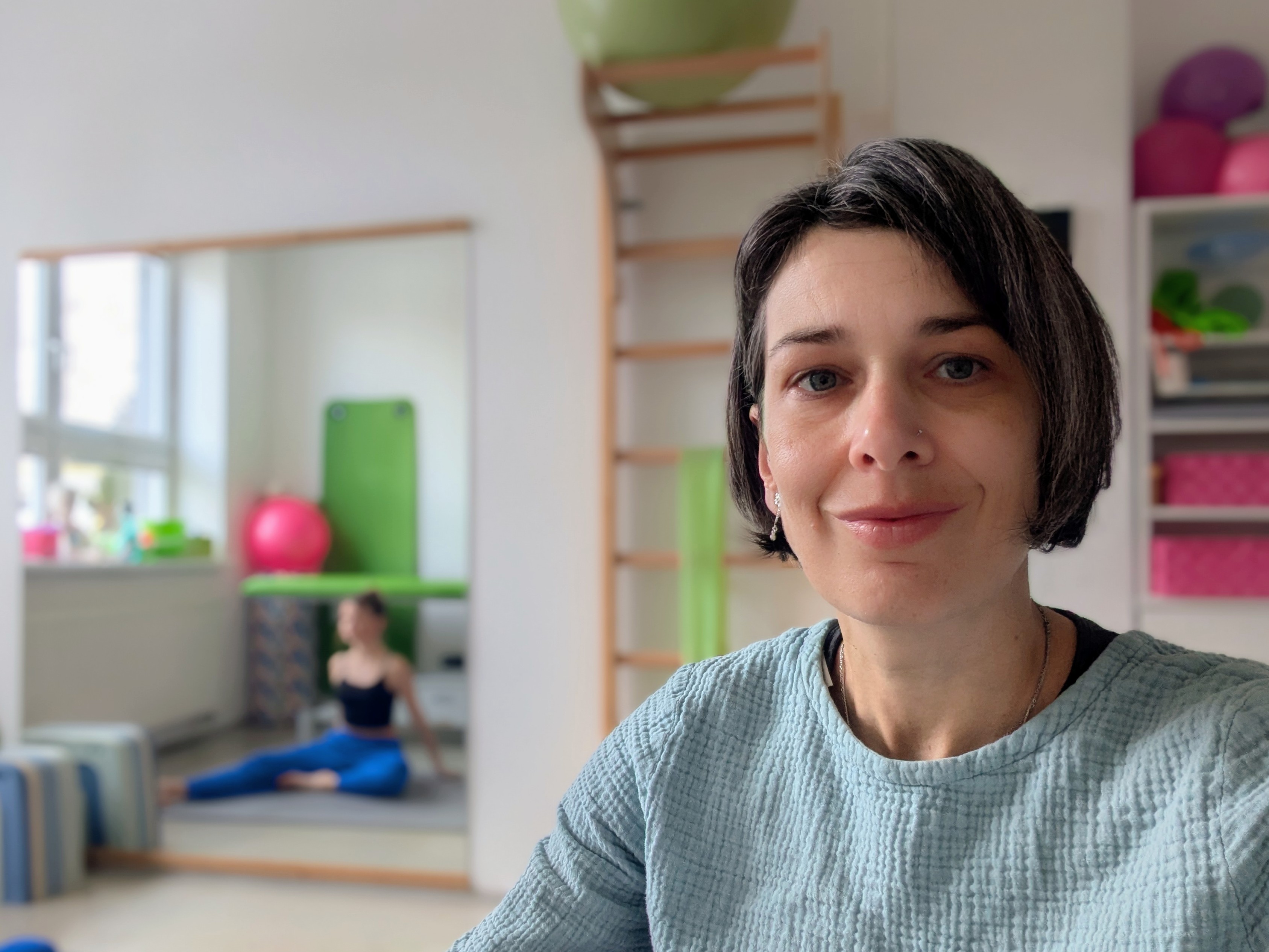 Petra Haviarová is an experienced pediatric physiotherapist who has been dedicated to supporting the healthy development of infants and children for more than two decades. In her practice in Klatovy, she combines expertise in developmental kinesiology with NDT Bobath techniques, craniosacral therapy, and an osteopathic approach. Her work with children is guided by deep respect, empathy, and a strong emphasis on natural development. Parents value her ability to explain problems clearly and to offer practical solutions that work in everyday family life. In this interview, she talks about common issues affecting children’s feet, the importance of movement, and why simple barefoot walking can sometimes be the best remedy.
How did you first get into physiotherapy — and when did you realize that working with children is what you enjoy most?
After graduating from secondary school, I successfully passed the entrance exams for both medical school and physiotherapy and had to decide which faculty and field to pursue. I had always wanted to study medicine. I only chose physiotherapy later, while browsing a list of degree programs in Učitelské noviny. It caught my interest, and I was drawn to the fact that, unlike medicine, it allows you to work independently relatively soon after graduating. I was also intrigued by the opportunity at the time to continue with a follow-up master’s degree in physiotherapy at the Faculty of Physical Education and Sport, with a specialization in art therapy. It felt like the perfect combination of all my interests — visual arts, music, and healthcare.
In the end, what appealed to me most was the atmosphere at the Second Faculty of Medicine. The physiotherapy program there had just been newly established under the leadership of Assoc. Prof. Pavel Kolář, and the teaching facilities were located directly within the Rehabilitation Clinic at Motol University Hospital. From the very first year of my studies, I was especially drawn to developmental kinesiology, and that’s when my path toward working with children became clear. I have now been working with children and infants for 21 years, and I still truly enjoy it. During my parental leave, I founded my own healthcare practice—initially in a shared clinic, and today I work fully independently in my own new premises in Klatovy.
Parental leave with four children did take a bit longer than planned, but thanks to the support of those around me, I was able to keep my practice running on a reduced schedule and continue my professional education. As a result, my personal and professional life have revolved around children for many years now — and they complement each other beautifully.
What do you find most fulfilling about pediatric physiotherapy — and what do you find most challenging?
The children themselves. I genuinely enjoy their company — they fascinate me and bring me joy. Pediatric physiotherapy can deliver truly wonderful results, but much depends on the child’s cooperation and, above all, on the parents’ involvement in home therapy. And that is a certain X factor that cannot be fully controlled.
At times, my work also challenges me personally, as I have a low tolerance for children’s crying, so I sometimes need to look for alternative approaches. The challenge is to ensure that the therapeutic goal is not lost along the way — that it remains present even when, from the outside, it may look as if the child is “just” playing. There are many different paths that can lead to the same outcome, and that is exactly what I love about this work. What also helps me grow professionally is the opportunity to continue my education and enrich my practice with new therapeutic techniques. This led me, eight years ago, to complete training in NDT Bobath therapy in pediatrics, and more recently to explore craniosacral therapy and osteopathic techniques.
On your website, you mention that you strive to respect a child’s natural development as much as possible. What does this mean in practice for parents?
By “natural,” I mean two different levels. On one hand, I feel close to the principles of attachment parenting — creating a sense of safety, physical closeness, carrying the child, responding appropriately to their emotions, but also setting clear and consistent boundaries.
The second level involves offering children opportunities to move in varied natural terrain—something we are increasingly losing touch with due to modern conveniences. This includes allowing movement without restrictions from tight clothing or unsuitable environments, such as slippery floors or rigid footwear. And last but not least, it means using fewer aids and devices, and instead offering more of our attention and simple shared activities with children.
What foot-related issues in children do parents most often come to you with?
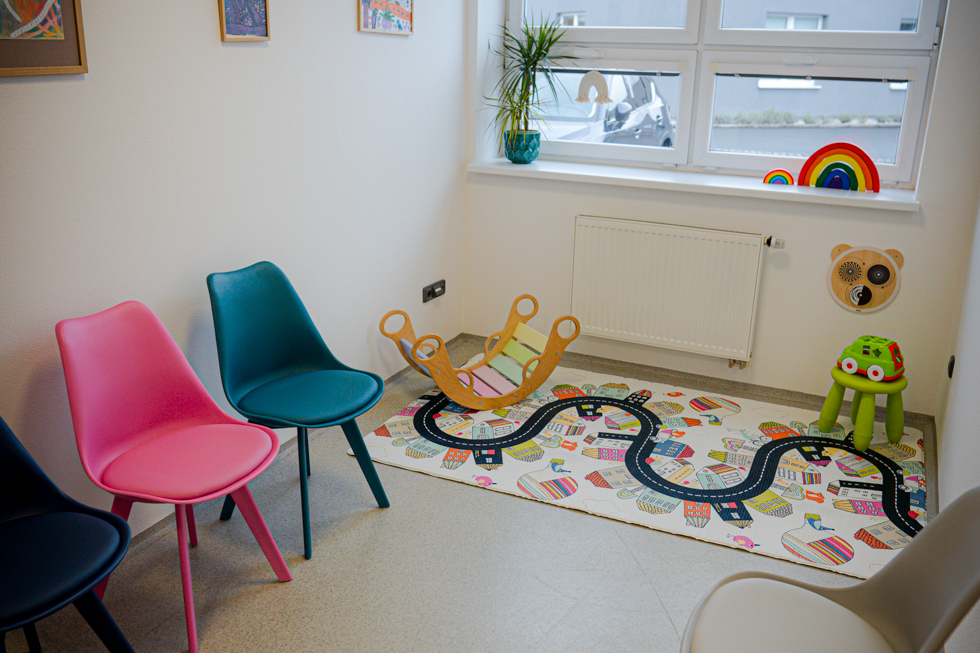
I address foot-related issues in children from birth, but parents most often seek my help when their child is around three years old. The most common concerns include inward-tilting ankles, flat feet, toes turning inward or outward, or toe walking. It is essential to examine the child thoroughly and identify the underlying cause, which does not necessarily lie in the feet themselves. In some cases, I simply recommend more movement; in others, parents leave with specific exercises to practice at home. Sometimes we uncover issues in a different area altogether, such as difficulties with the integration of primitive reflexes, which requires a completely different type of therapy. In certain situations, it is also appropriate to complement active therapy with individually fitted orthopedic insoles.
When do you think it already makes sense to start physiotherapy, and when is it still appropriate to wait and see whether development will “sort itself out” naturally?
If there is any doubt, I would not recommend postponing a physiotherapy consultation. With infants and children especially, the earlier you start, the easier the solution usually is. The outcome of the assessment will show whether regular therapy is needed, or whether it is sufficient to simply monitor the child’s development over time. In some cases, a single visit is enough. Even a one-time or purely preventive consultation can be very valuable — and I truly enjoy these sessions. During them, I support parents in their confidence and competence, answer their questions, recommend suitable aids and handling techniques, and we also discuss appropriate footwear…
How and when did you first come across Foot Alignment Socks, and what convinced you that they make sense? In which cases do you recommend them?
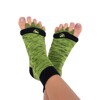
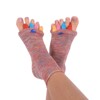
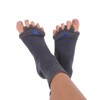
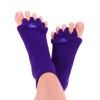
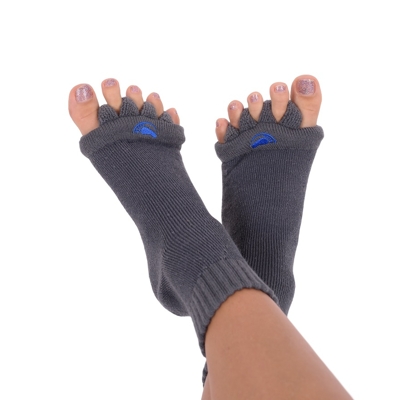
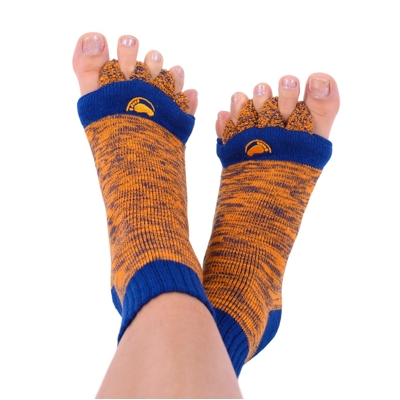
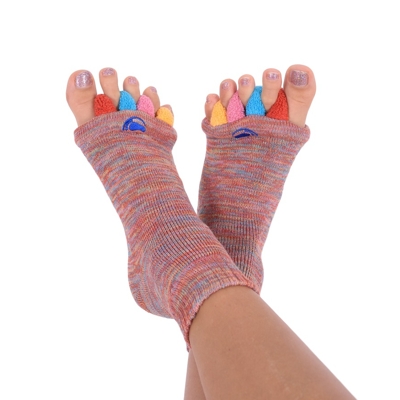
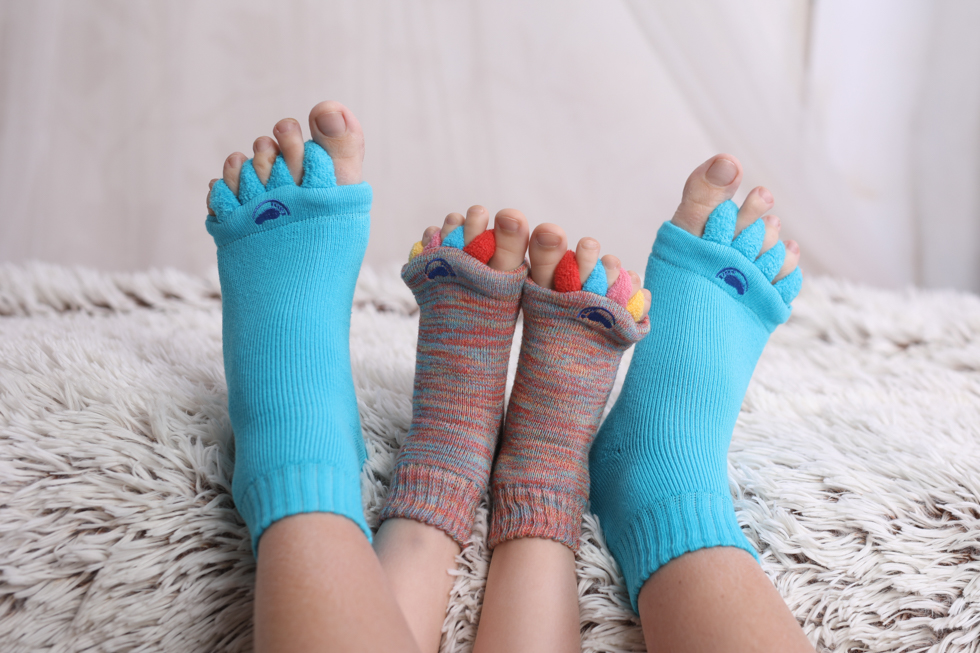
I’ve known Foot Alignment Socks for a long time. I’ve had the adult version at home for more than ten years and use them mainly for relaxation. I had also been asking about a children’s version, so I’m very glad that the kids’ range has been available for some time now. I recommend them for children with toe deformities, whether congenital or caused by wearing unsuitable footwear. I have very good experience with them in children with bunions, crowded toes, or hammer toes.
They are also very useful for young athletes after training, especially in sports that require specialized, rigid footwear with a narrow toe box—such as ice skates, football boots, climbing shoes, or dance shoes. After physical load, the socks help the feet relax and regenerate again.
Have you had a moment in your practice when Foot Alignment Socks helped you address a specific problem?
I can’t recall one specific moment, but in general they help address issues with a child’s cooperation. Children usually tolerate wearing Foot Alignment Socks very well, and they tend to like them more than, for example, taping, which is often used in similar cases. In addition, the socks can be put on during an evening story or bedtime routine, which helps ensure regular use. They are an excellent complement to active therapy.
What are the most common mistakes parents make when caring for their children’s feet, and what would you advise them to do to keep their children’s feet healthy?
On the one hand, I would advise parents to pay close attention to choosing proper footwear for their children — and on the other hand, not to have them wear shoes too often.
A child’s shoe should match the shape of the foot as closely as possible and fit well around the heel. Unfortunately, it’s not always enough to rely solely on advice in a shoe store. It’s important to measure not only the length but also the width of the child’s foot and compare these measurements with the shoe’s dimensions. Children usually won’t tell us that a shoe doesn’t fit properly. It’s not uncommon for me to find an extra allowance of up to 3 cm — or, on the contrary, shoes that are far too small — even though they were purchased recently. Parents then come in because of inward-turning toes, only for us to discover that the child’s gait is completely fine when barefoot. That’s why I devote a lot of attention to footwear choices, both in my practice and on social media. Being able to choose well-fitting shoes for a child is, in my view, an important parenting skill.
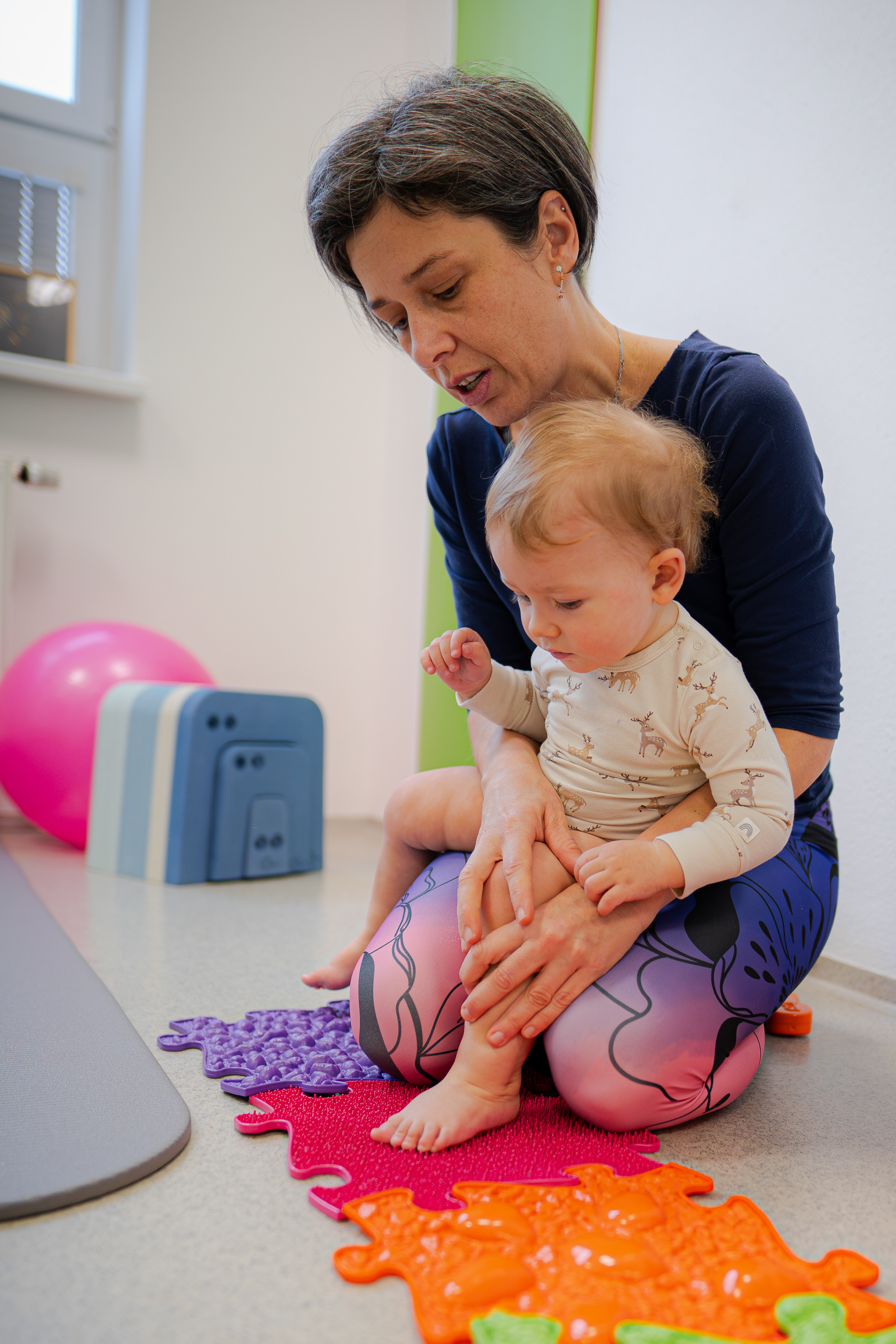
At home, I recommend avoiding slippers, taking socks off frequently, and coming up with a variety of activities for the feet. Allowing children to move barefoot — ideally outdoors — is excellent. These barefoot moments not only benefit foot health, but also serve as a natural and simple form of cold exposure and strengthening.