
Children should know their bodies and learn to listen to them, says physiotherapist Hana Tonarová from the FySport project
 FySport combines physiotherapy, movement, and education to help children understand their own bodies. It guides them to learn how their bodies work and how to take care of them. We spoke with physiotherapist Hana Tonarová about why mindful movement is so important, which mistakes she most often sees in children today, and why athletic performance does not always equal a healthy body.
Bc. Hana Tonarová is a physiotherapist and the founder of the FySport project, which focuses on mindful movement, physiotherapy, and developing healthy movement habits in children. She combines professional expertise with playfulness and helps children understand their bodies and learn how to care for them. In her programs, she integrates physiotherapy, games, and education with the goal of raising a generation that knows how to move in a healthy and joyful way.
What is your area of focus at FySport?
FySport focuses on supporting healthy movement in children, both in-person and online. It’s not just ordinary exercise – it’s movement training with a strong overlap into physiotherapy, teaching children about their bodies, helping them listen to their needs, and developing the ability to control their bodies effectively. All of this has one clear goal: to ensure their bodies can function well and without pain in the future.
What led you to physiotherapy, and how did the idea to connect it with active movement and the FySport project come about?
My journey into physiotherapy began with my own experience. As a gymnast, I started suffering from various musculoskeletal pains from the age of ten, so I discovered the benefits of physiotherapy very early. After ending my athletic career (while studying physiotherapy), I moved naturally from the gymnastics hall into healthcare. Working with adult patients — especially those with chronic issues — made me increasingly aware that their difficulties often originated many years earlier, most commonly in childhood. I became fascinated by the idea of tracing problems back to their roots, and that gradually led me to become a pediatric physiotherapist.
In my practice and everywhere around me, I see how the quality of children’s movement patterns and posture is steadily declining. Children struggle to concentrate, they lack coordination, and they often show postural faults — most commonly a weak core, forward head posture, overloaded upper trapezius muscles, winged shoulder blades, valgus ankles, or various irregular foot positions when walking.
The first ideas for creating FySport gradually took shape in my practice. I noticed that many children struggled with the same issues and didn’t necessarily need a fully individual approach in the treatment room. On top of that, there aren’t many pediatric physiotherapists available. And I also felt that exercise — and everything around it — could be much more enjoyable for children in a group setting.
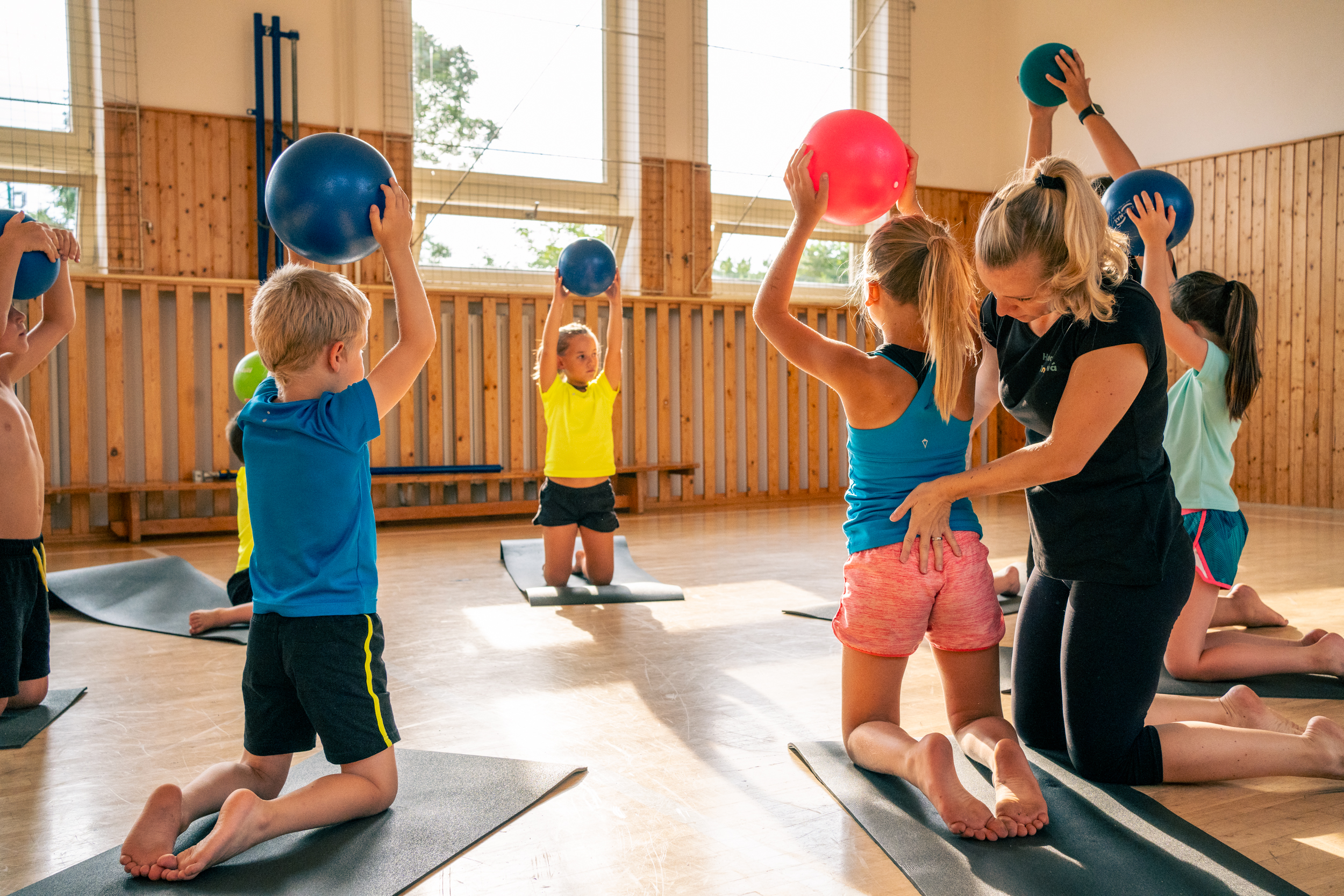
Then I went to watch my own children at their Sokol class. I was thrilled by how the session was led — the children were enthusiastic, moving, sweaty, and all of them looked genuinely happy. During one of the games, each child must have done about 50 squats, which is fantastic, but my “physio eyes” were suffering from the quality of execution in probably three quarters of them. I kept thinking: why doesn’t someone simply explain to them that a squat can be done differently — better, in a way that protects the joints and doesn’t overload the same already overactive muscles? And that was the final confirmation I needed to fully commit to FySport — to combine physiotherapy, movement, games, and education. That’s how the first program, “Straighten Up With Us,” was created.
On your website, you talk about conscious movement and about how the body responds when we listen to it. How do you explain this principle to clients who visit you for the first time?
These days, I work exclusively with children, and working with them is very specific. A child is usually not very motivated to do or practice something just because someone tells them to. That’s why it is essential for me that the child understands why they have come to physiotherapy in the first place and why I am asking them to do certain things. Of course, this is always adapted to their age — as fun as possible, but still meaningful and of high quality.
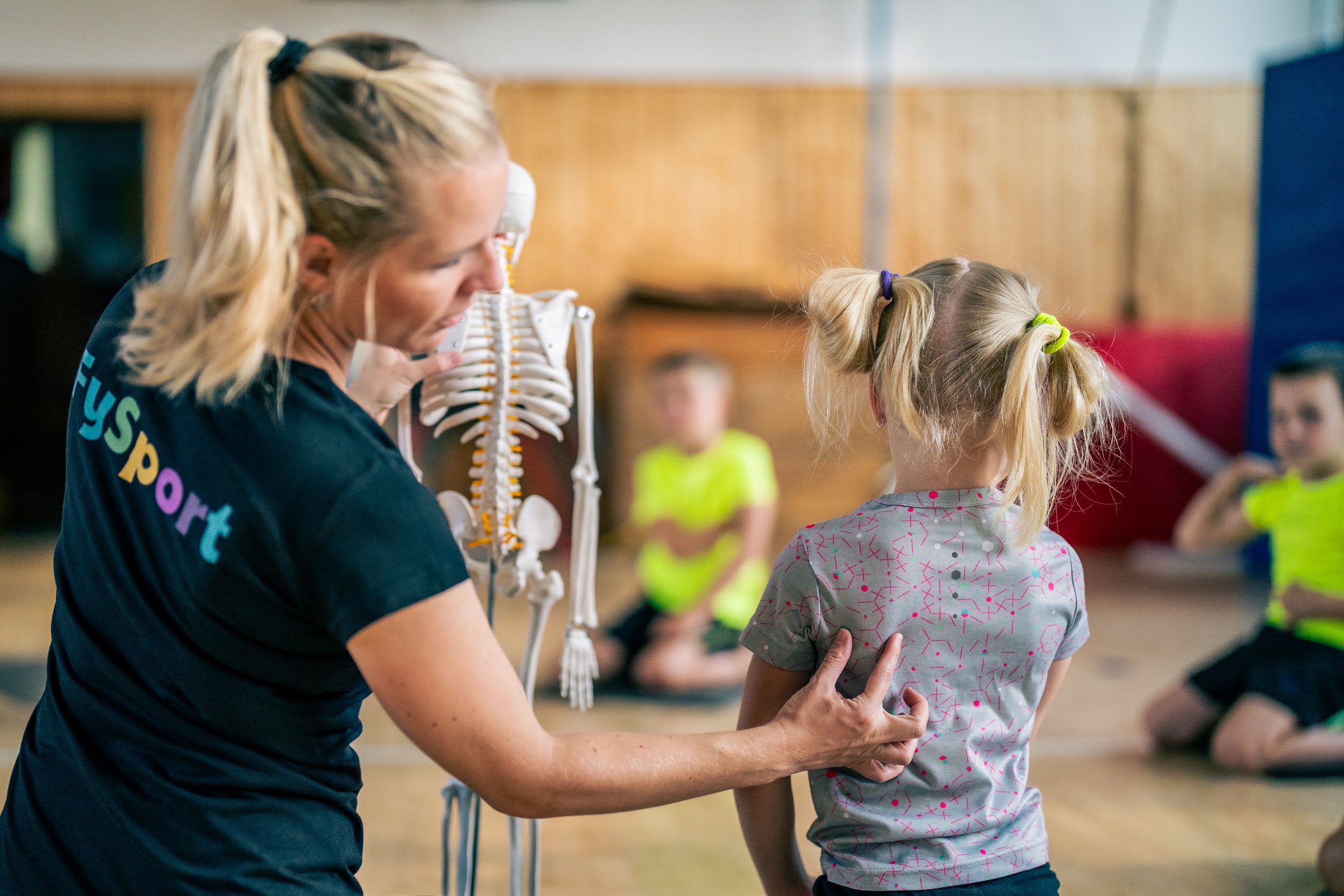
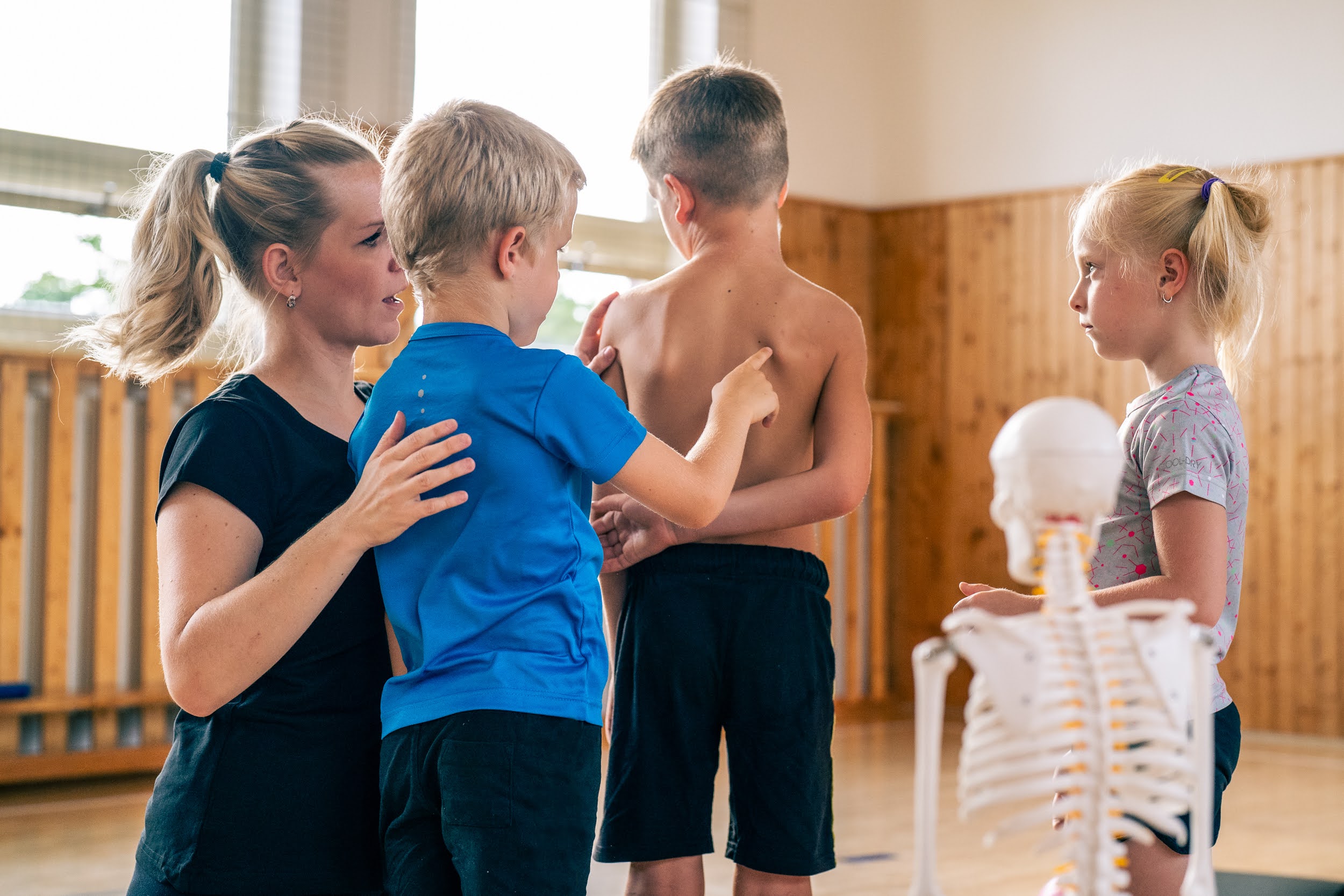
When a child needs to work with a certain part of the body, they first have to become aware of it — to realize that it’s even there. With children, we look for the specific body part on a skeleton model or on their own body, we touch it, and we observe it using mirrors or photos. It may seem unnecessary, but children (and of course adults as well) often don’t have a well-developed sense of their own body. Yet this awareness is essential for coordination, balance, and confidence in movement.
Until children learn to truly feel their bodies, they can’t control them well — and therefore can’t protect them from overloading. Discovering their own bodies is an essential, and at the same time enjoyable, part of FySport’s comprehensive programs — Straighten Up!
Simply put, it goes something like this: “Look, this is your shoulder! This is what it looks like, this is the correct position, and this is not. See what you can do with it. And look… you can still move it even when you lift your arms up. Try to remember this movement. During this exercise, place it the way we practiced. Now do it the wrong way… and now the right way.”
This is how we help the child understand their own body, and once they do, they can perform any exercise with much better quality. It also helps them realize, even at school, that their shoulder can be positioned well or poorly — for example when writing.
What foot-related or postural problems do you see most often in your clients today? And why do you think they are becoming more common?
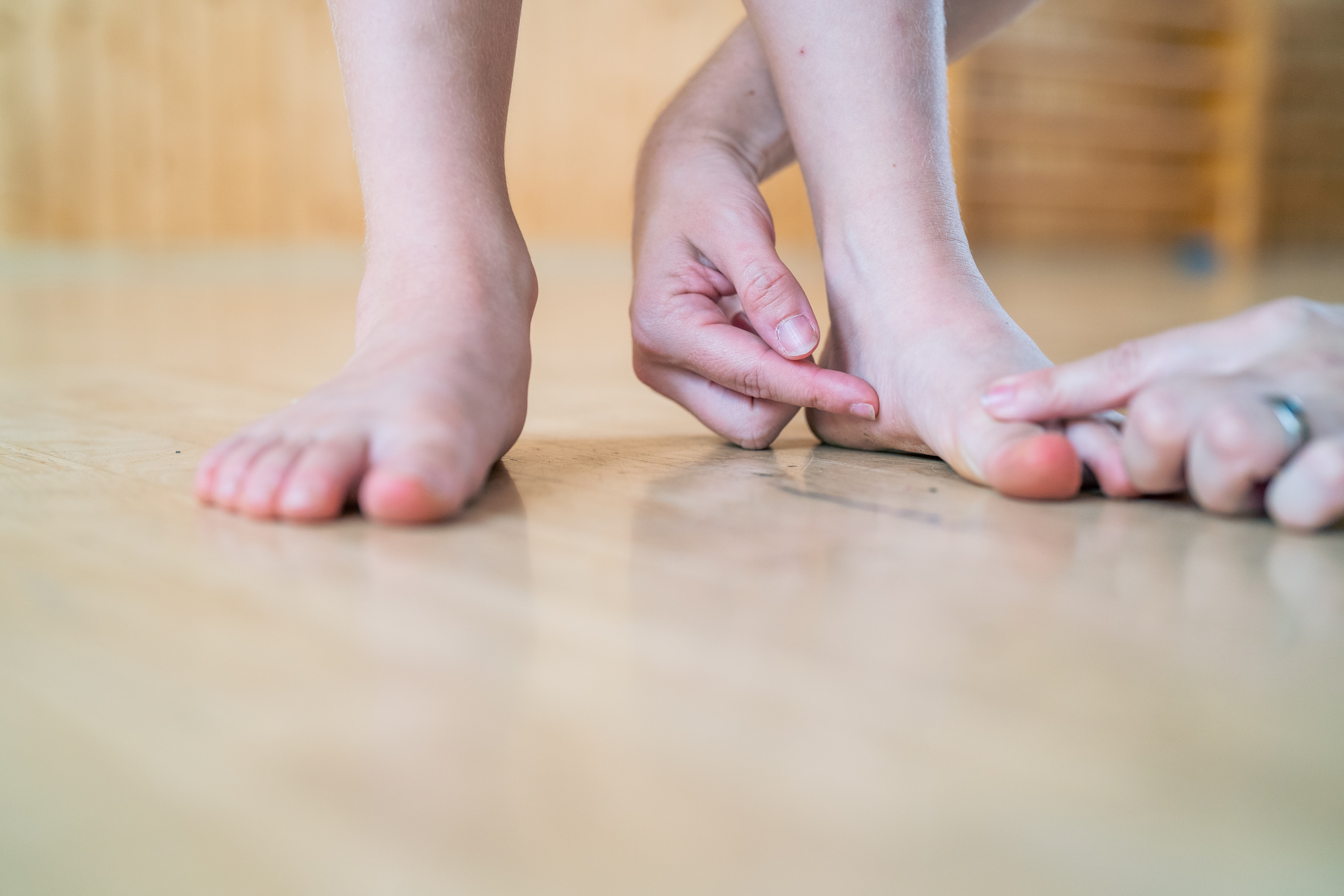
In children, the most common issue is clearly valgus alignment — in other words, inward-tilting ankles. However, the cause is rarely found in the ankles themselves. Much more often, it is due to a muscle imbalance in the pelvis and hip area, which typically stems from suboptimal psychomotor development during the first year of life.
Many children are significantly hypermobile, meaning their joints have a greater range of motion than usual, which further enhances the tendency toward valgus alignment. In school-age children, poor posture becomes an additional factor, and it is quite obvious that hours spent sitting in school and using electronic devices only make the problem worse.
Children need plenty of varied movement. It is the muscles that hold us together and protect our joints. Unfortunately, today’s lifestyle doesn’t support the body very well in this regard. And on top of that, the current generation of children will spend most of their lives working seated at a computer, with travelling by car being the norm for them.
Unfortunately, even children who train in performance sports often do not have proper control over their bodies. During sport, they tend to overload the same muscle groups again and again, compensation is usually ignored, and the quality of movement execution is not given much attention. As a result, it is quite common to see gymnasts with rounded backs as soon as they step off the mat, or young football players who are constantly in pain or repeatedly injured.
In the past, when people lived more naturally and were much more active, their bodies were able to cope with physical load more easily. Today, however, we know how sedentary and one-sided the lifestyle of our children will be, and that’s why their habits need to be adjusted accordingly. There was a time when people didn’t brush their teeth either — and now it’s completely normal. In the same way, conscious care for the musculoskeletal system should become a natural part of life, starting from early childhood.
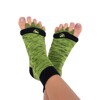
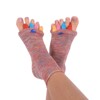
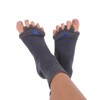
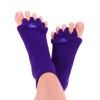
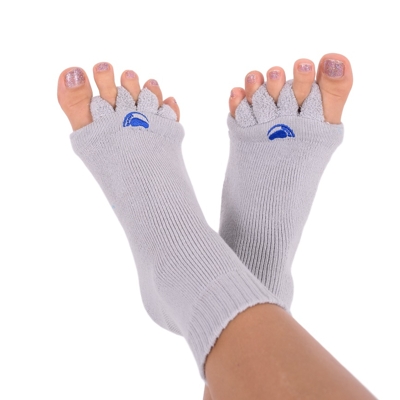
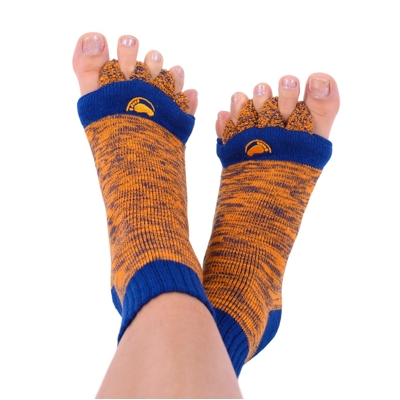
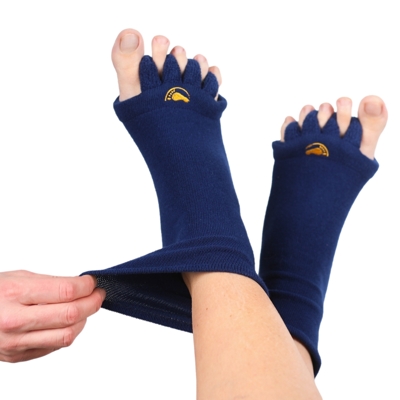
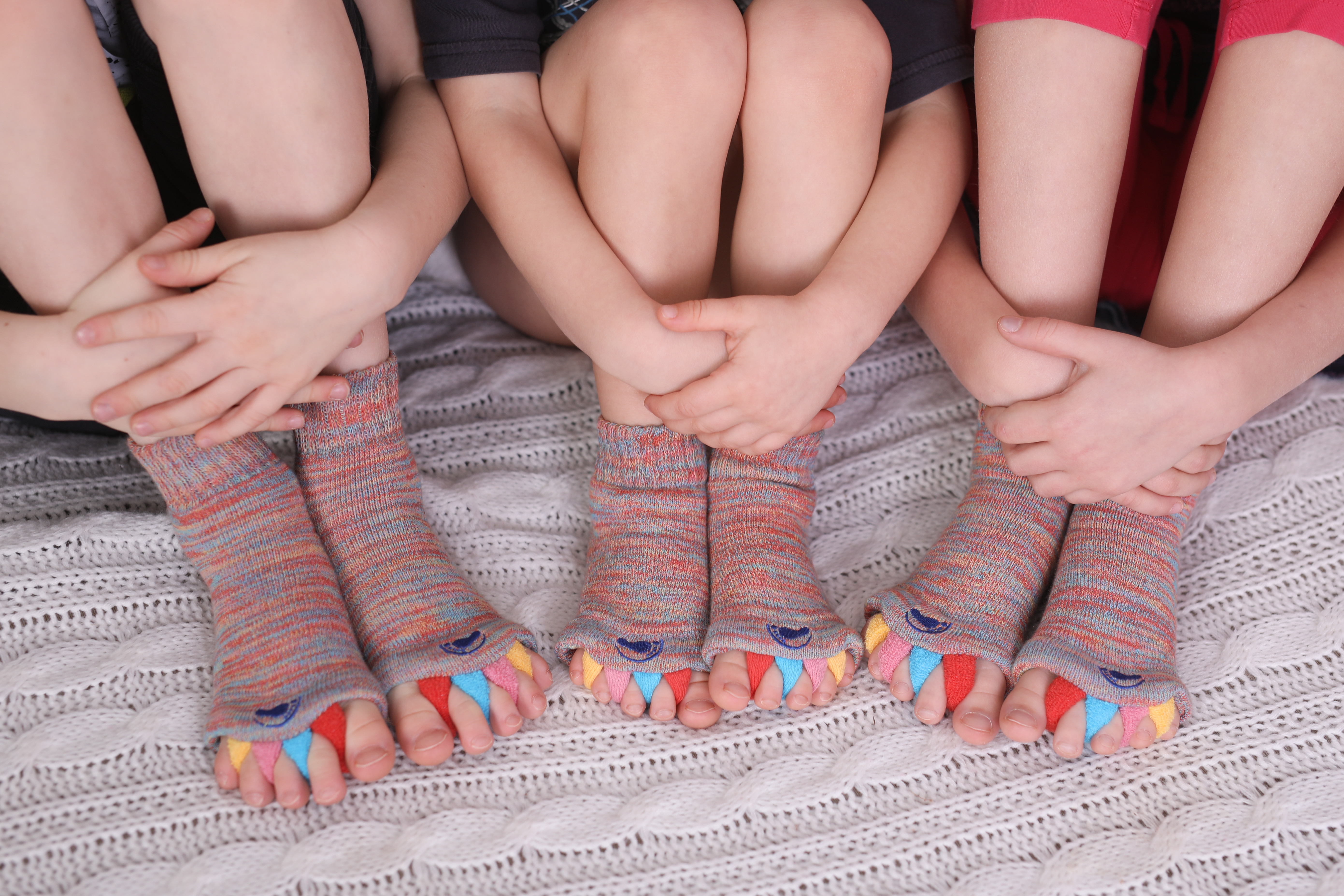
You’ve known Foot Alignment Socks for quite some time. When did you first come across them? In which situations do you think they make the most sense, and when are they not sufficient on their own?
I’m not even sure when it was for the first time. I’ve been interested in barefoot footwear for quite a while now, and with that also in various foot-care tools. So alongside tapes, spiky balls, massage balls, toe spacers, and other aids, your socks have had their place on the shelf in my practice for a long time.
I especially recommend them to those who haven’t yet discovered the benefits of anatomical toe boxes in footwear. I consider them an essential part of compensation for anyone who frequently trains in narrow shoes (especially football players or climbers) or for those whose feet are generally tired and overloaded. I sometimes recommend them even in cases of toe deformities.
I actually recommend them more often to the mothers of my pediatric patients — especially when they come in wearing heels. They are, of course, suitable as a preventive tool as well. If a problem or pain has already appeared, Foot Alignment Socks can be a helpful addition, but in such cases, I recommend consulting a specialist.
When the weight on the feet is distributed improperly during different phases of the gait cycle, long-term overloading can occur, which may then lead to inflammation, heel spurs, or other deformities. The socks alone can provide relief and help increase awareness of the feet, but they do not always address the underlying cause. That’s why the care should be complemented with manual techniques, targeted exercises, or appropriately adjusted functional insoles.
Could you share a simple exercise with our readers that helps mobilize the toes or improve foot awareness?
On your website — and really anywhere on the internet — readers can already find plenty of tips for sensorimotor tools or general exercises for the toes, the arch, or the ankles. That’s why I’d like to highlight something a little different.
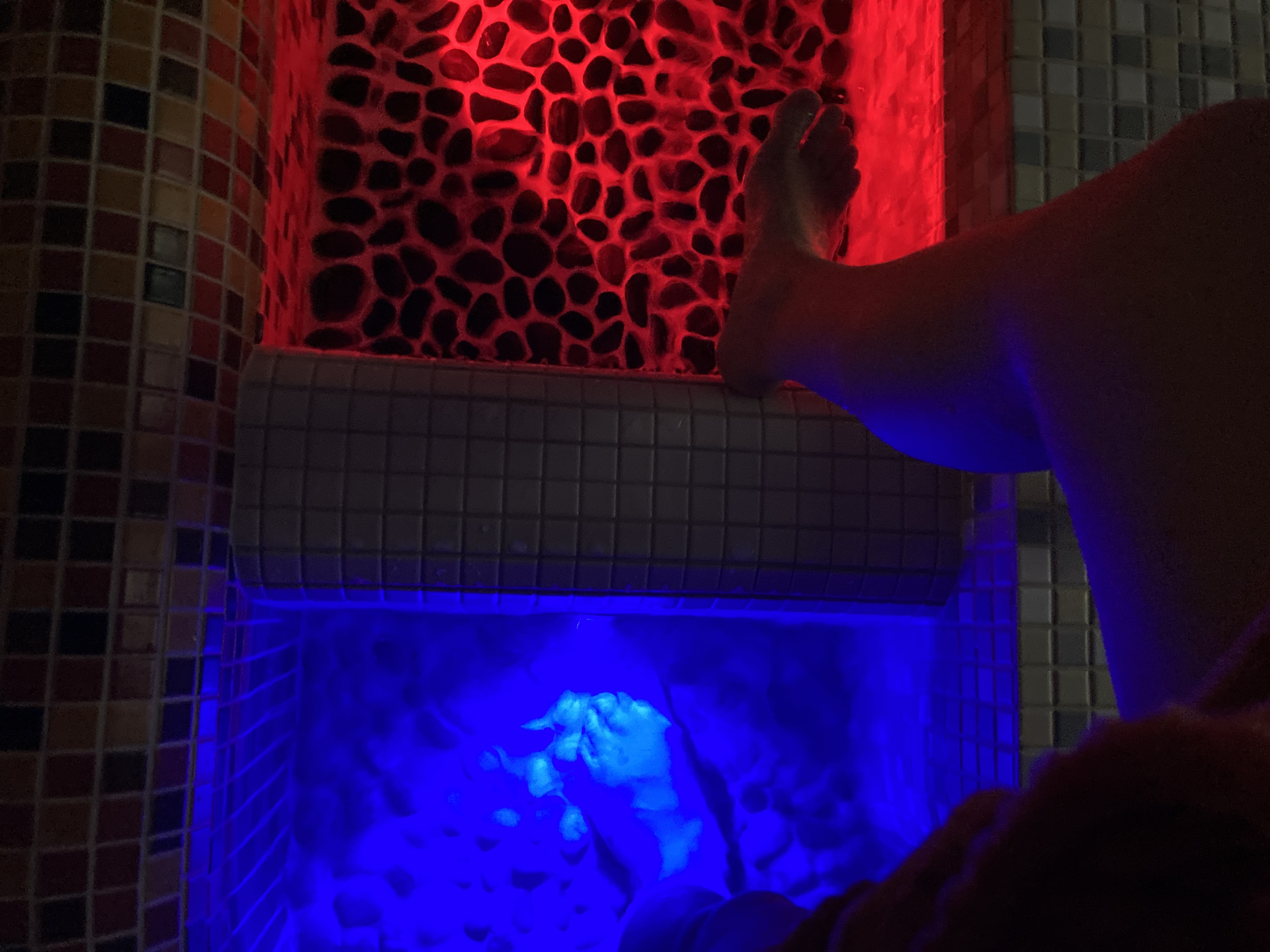
Cold exposure for the feet doesn’t just improve circulation and provide a refreshing boost — it also reconnects the feet with the brain. It reminds you that, yes, there are feet at the other end of your body. But not everyone can run through a stream or dash barefoot into the snow, which is why I really like the Kneipp path. It’s a form of cold exposure that even small children can handle easily, and with a bit of effort you can even create one at home.
In simple terms, the idea is to alternate between walking in warm water (38–40 °C) and cold water (10–16 °C). You should start in the warm water until the feet are thoroughly warmed up (about 1–2 minutes), followed by 10–30 seconds in the cold water — long enough to feel cold, but not pain. This cycle is recommended to be repeated 3–4 times, finishing in the cold water. Afterwards, the feet should be dried well and wrapped in a towel or blanket so they can warm up again. For children, use smaller temperature contrasts and fewer repetitions. The feet are beautifully refreshed and rewarded afterwards.
FySport gives the impression of a project that teaches people to take responsibility for their own bodies. What makes the most sense to you personally? And what are you most proud of in this regard?
Yes, we guide children toward taking responsibility for their own bodies. I often feel that many adults with chronic issues — especially older patients — don’t realize that their problems are the result of many years of not respecting their bodies. Unfortunately, they frequently believe that if something hurts, it means they shouldn’t move it at all (and I’m not talking about acute injuries). So instead of helping themselves with a counter movement, stretching, or releasing the tension, they do nothing and continue with the very activities that have been contributing to their problem for years. It’s a real shame. They think their body has “broken” only now — and they wait for the doctor to save them.
If people knew more about their bodies and listened to them, they would have adjusted certain everyday movements long ago, learned how to relax, and incorporated appropriate physical activity. They might not be sitting in waiting rooms with pain today. They would have recognized the problem earlier and responded to it. Perhaps their discs wouldn’t have herniated, their osteoarthritis wouldn’t yet be calling for a total joint replacement, their heads wouldn’t ache so often from cervical spine tension, they wouldn’t experience ringing in their ears, they would have maintained more strength, taking a cup down from a high shelf wouldn’t be difficult, and they would know how to fall better — and, most importantly, how to get back up.
I’m not saying we can stop aging — many illnesses and injuries simply can’t be prevented — but I do believe that we can do something now to make our later years more dignified. And this is exactly what makes sense to me. Children are like sponges; they absorb everything around them. So I decided to offer them something that will be useful for their entire lives.
Children learn so many things at school, but unfortunately very little about themselves and about how to take care of their own bodies. Physical education is not only insufficient in terms of time allocation, but it also often fails to be real “education” in the sense of learning through movement. And when it comes to mental health, nutrition, and similar topics, they are barely addressed at all.
What I’m most proud of is seeing that our programs truly engage children — and at the same time give them the foundations of valuable knowledge. It makes me happy when children start correcting their parents, telling them not to slouch over their phones; when they’re standing on a swing and position their feet so their body is better aligned; when they see a photo of themselves and say, “Oh gosh, look how I’m standing!” — and they know how to correct it. I’m thrilled when they can say, “I’m tired, it’s too much for me,” and take a few minutes to rest. And my heart warms the most when, thanks to FySport, regular movement time becomes a natural part of family life — a routine that doesn’t feel burdensome or like another obligation, but rather a moment of togetherness that the whole family enjoys and looks forward to.
If you could give people one piece of advice regarding foot care, what would it be?
Don’t forget that your feet exist! They serve you so loyally throughout your entire life, so don’t take advantage of them — do something that rewards them instead.